
Pet safety and identification: simple tips for everyday peace of mind

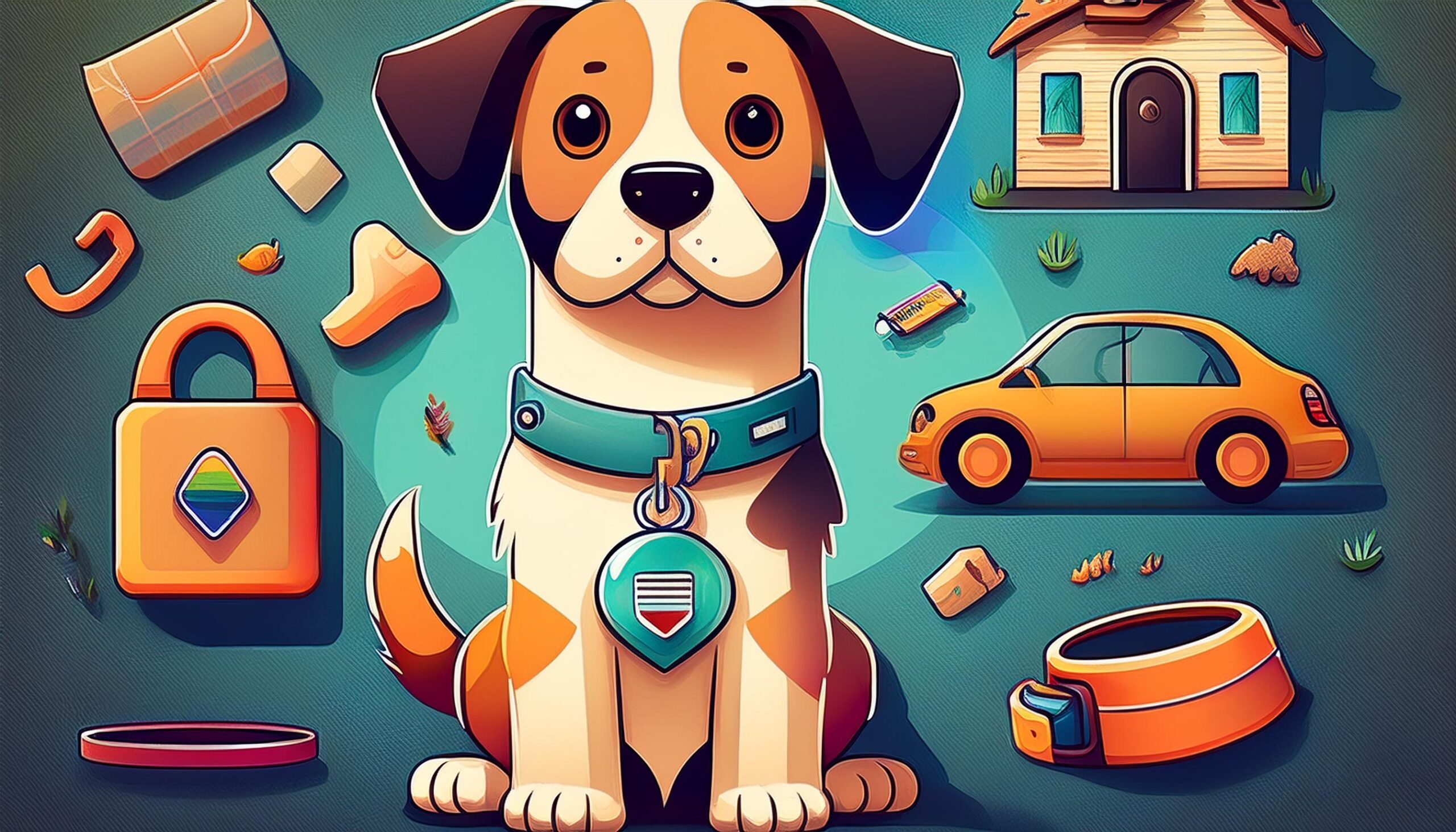
Dessin d'un chien et d'accessoires relatifs à la sécurité pour animaux

Quick safety checklist

A safer dog or cat routine combines visible identification, up-to-date microchip details, and simple everyday precautions at home and outdoors.

  • Use a readable ID tag with a reliable phone number so a finder can contact you immediately.
  • Keep the microchip registered and update the owner details whenever your phone number or address changes.
  • Reduce common home risks by storing medicines, cleaners, toxic foods and unsafe plants out of reach.
  • Outside the home, use a secure collar, harness, leash or carrier adapted to your pet and the situation.

A door left open, an unfamiliar noise or a moment of distraction can be enough for a dog or cat to wander off. When that happens, visible identification makes a real difference. A clear pet ID tag helps someone contact you quickly, without waiting for a microchip scan.

Why a tag still matters if your pet is microchipped

A microchip is important, but it requires a scanner. A tag can be read immediately. If your phone number is engraved clearly, a finder can call you straight away and your pet has a better chance of coming home quickly.

Keep contact details up to date

The best tag is only useful if the information is current. Check the phone number regularly and update the engraving after a move, a new number or a long trip. A small change can make the tag much more effective.

Prioritize readability

Short lines, strong contrast and enough spacing make a tag easier to read. This is especially important for smaller tags, where there is less room for text. When in doubt, keep only the most useful details.

Choose a tag your pet can wear comfortably

Comfort is part of safety. The tag should suit your pet’s size, attach securely to the collar and stay comfortable during daily use. If it is too heavy or too large, your pet may not tolerate it well.

You can explore our dog ID tags and cat ID tags to choose a practical, readable model for your pet.

Frequently asked questions

Simple answers for everyday pet safety and identification.

What is the safest ID setup for a dog or cat?

Use both a visible ID tag and a registered microchip. The tag helps a finder call you quickly, while the microchip is a permanent backup if the collar is lost.

Does a microchip replace an ID tag?

No. A microchip must be scanned by a vet, shelter or animal-control service. A readable tag can help someone contact you immediately.

What should I do first if my pet gets lost?

Search nearby, keep your phone reachable, contact the microchip registry, and alert local shelters, vets and neighbors as soon as possible.

Sources et ressources utiles

Pour aller plus loin, voici quelques ressources fiables à consulter.